
About

Dog Ethologist using force-free and evidence-based training to help your dog

MSc Ethology Charlotte Friis Vargas

Hi, I'm Charlotte - I translate dog

For over ten years I’ve helped families understand why their dogs do what they do — and how to change it kindly. My background is in ethology: the science of natural animal behaviour. That means I don’t just look at the problem behaviour; I look at the whole dog, and the whole life around them.

I know how heavy it feels when you love your dog deeply and still dread the walk, the fireworks, the closed front door. You are not failing. Your dog is not broken. You both just need a translation — and a plan that respects everyone involved.

Ethology first

Dogs are dogs — not wolves, not furry humans. I work with species-typical behaviour and individual needs, not against them.

Force-free, always

No choke chains, no intimidation, no "dominance". Lasting change comes from safety and trust, never from fear.

You are the expert

My job is to give you the knowledge and tools. The daily work — and the bond it builds — belongs to the two of you.

FAQ

Questions

Everything owners usually ask before booking — about the evaluation, the packages, and how I work.

What is the evaluation consultation?

A 90-minute meeting — online or in person — where we go through your dog’s history, health, daily life and behaviour in depth, and I make an ethological assessment. Afterwards you receive my recommendation for the package that fits your dog. There’s no obligation to continue.

No — and that’s deliberate. Choosing support before anyone has assessed your dog risks paying for too much, or too little. The evaluation ensures the package matches your dog’s actual needs. The Fundamentals course and the nail e-book, on the other hand, can be bought directly at any time.

Yes — and for many issues it works better. Your dog behaves naturally at home, without a stranger in the room, and we can review video of real situations together. Reactivity sessions that need controlled setups can be combined with in-person meetings if you live nearby.

Never. No choke or prong collars, no shock, no intimidation, no “alpha” anything. Modern ethology is clear: fear-based methods suppress signals while the underlying emotion grows — and often make problems worse. We change the emotion, and the behaviour follows.

Not at all — it’s for every dog owner. The course builds a solid foundation: understanding body language, meeting your dog’s needs, and creating routines that prevent or minimise problem behaviours. It’s included in all packages, but many owners take it on its own with a perfectly “normal” dog.

Pain and illness are behind a surprising share of behaviour problems, so health always comes first in my assessment. If something looks medical, I’ll refer you to your vet and, with your permission, collaborate with them directly.

Management changes usually bring relief within days. Deeper behaviour change is measured in weeks to months, depending on the issue and its history. I will always give you an honest prognosis after the evaluation — and celebrate small wins along the way, because they compound.

No ethical professional guarantees outcomes — dogs are individuals, not machines. What I do guarantee: an honest assessment, a plan grounded in science, transparent progress tracking, and a 14-day refund on The Fundamentals if it isn’t right for you.

Didn't find your answer?

Send me a message — or book the evaluation and ask everything in person.

Latest Blogs

Read through my latest blogs on dog behaviour, dog body language and other good tips and tricks when living with a dog. 

stranger danger

Stranger Danger

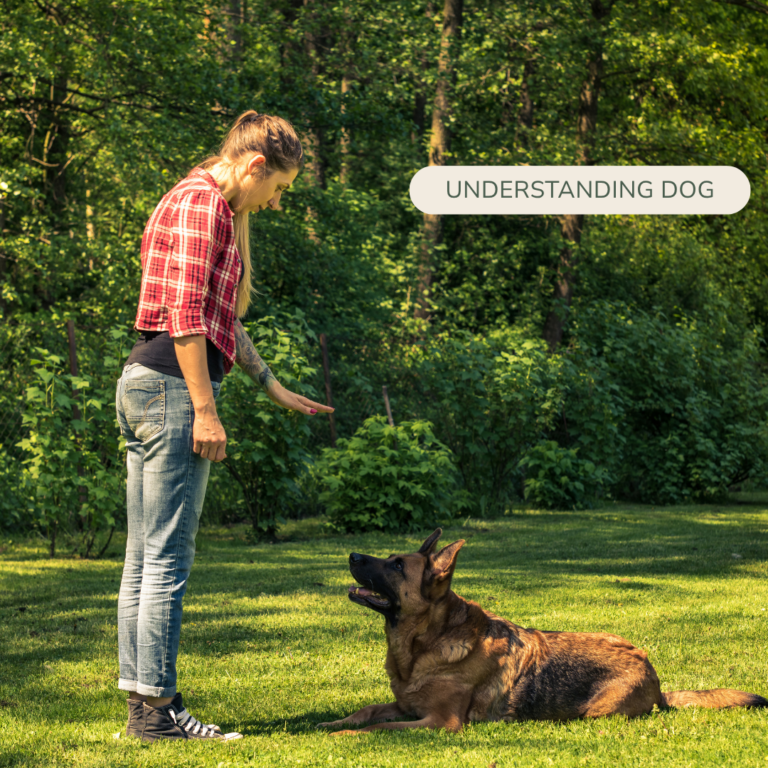
Your dog's barking and lunging at strangers is not bad behavior — it is functional communication asking for space. New research reveals that the fastest way to build trust between a dog and a stranger does not involve treats or touch at all. Here is what science says about why stranger encounters go wrong, and how simply walking together can change everything.
Read BlogStranger Danger
how dogs read human body language

How dogs read human body language

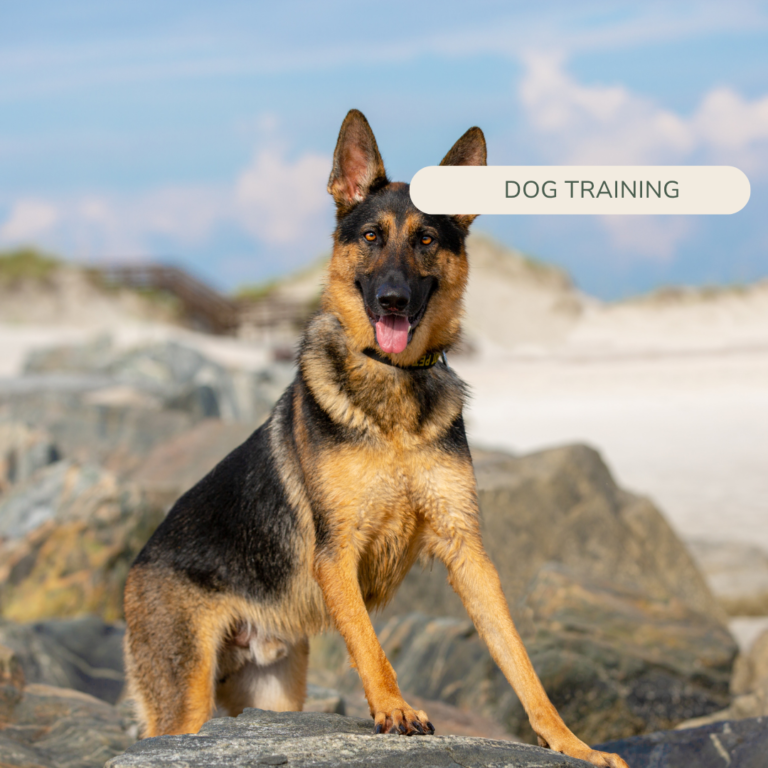
Point at a hidden treat and your dog looks where you point — a skill chimpanzees struggle to master. Science reveals that dogs are biologically wired to read human gestures, eye contact, and even our intentions from birth. Here is how your dog understands you better than any other animal on Earth, and what that means for your daily life together.
Read BlogHow dogs read human body language

The truth about dominance in dogs

The "alpha dog" myth has shaped dog training for decades — but ethologists have known for years that it is fundamentally wrong. Dogs do not form rigid dominance hierarchies with humans, and believing they do leads to training methods that actually cause aggression. Here is what science says about what dominance really means, and why it does not apply to your relationship with your dog.

Read BlogThe truth about dominance in dogs

Sign up for my newsletter

A short, kind letter every couple of weeks — one useful idea about your dog’s behaviour, seasonal reminders (fireworks season starts before the bangs), and news about the course and packages. No spam, unsubscribe anytime.