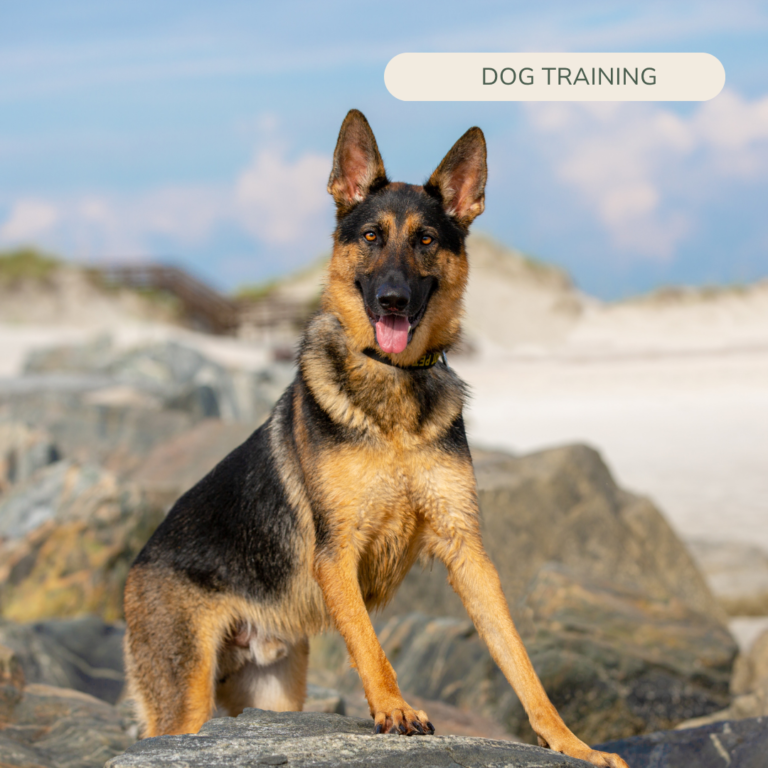
The Truth About Dominance In Dogs
The idea that dogs are constantly trying to dominate their owners is one of the most persistent — and most damaging — myths in dog…
The idea that dogs are constantly trying to dominate their owners is one of the most persistent — and most damaging — myths in dog…

Your dog's barking and lunging at strangers is not bad behavior — it is functional communication asking for space. New research reveals that the fastest way to build trust between a dog and a stranger does not involve treats or touch at all. Here is what science says about why stranger encounters go wrong, and how simply walking together can change everything.
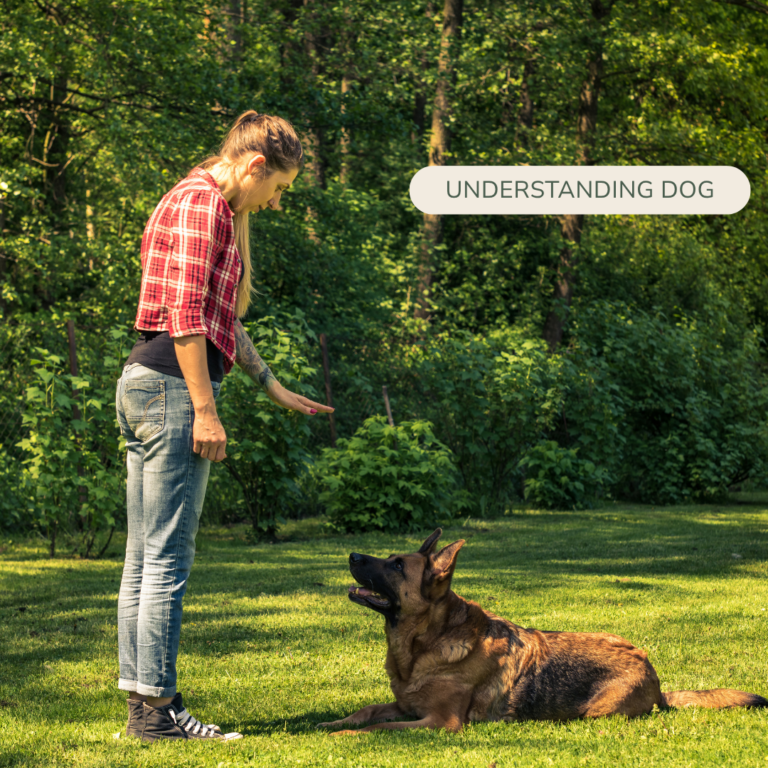
Point at a hidden treat and your dog looks where you point — a skill chimpanzees struggle to master. Science reveals that dogs are biologically wired to read human gestures, eye contact, and even our intentions from birth. Here is how your dog understands you better than any other animal on Earth, and what that means for your daily life together.
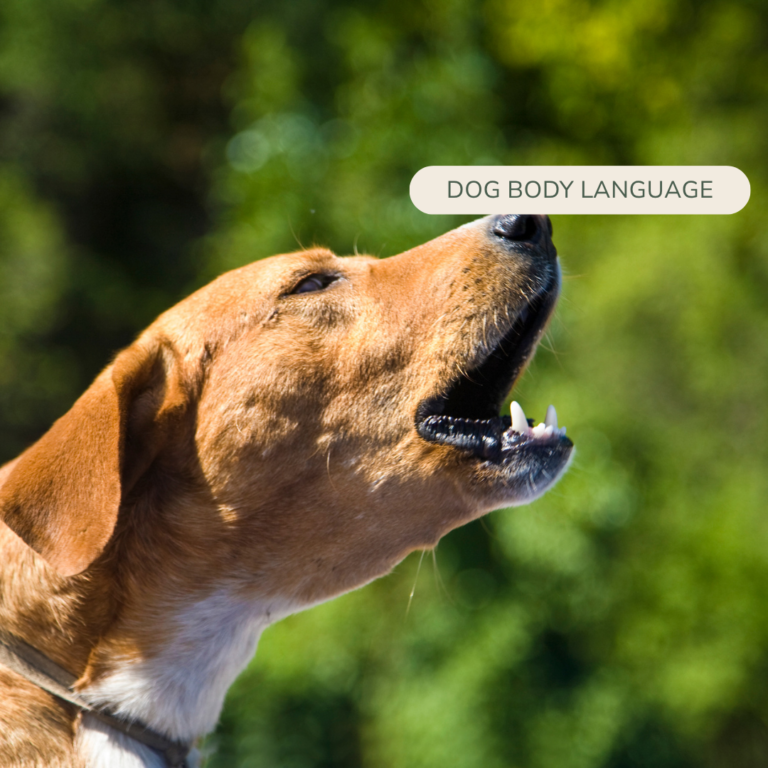
Your dog's bark is not random noise — it is a finely tuned signal shaped by thousands of years of domestication to communicate with you. Ethologists have discovered that humans can decode a dog's emotional state from the acoustics of their bark alone. Here's what the science of barking reveals about what your dog is really trying to say.
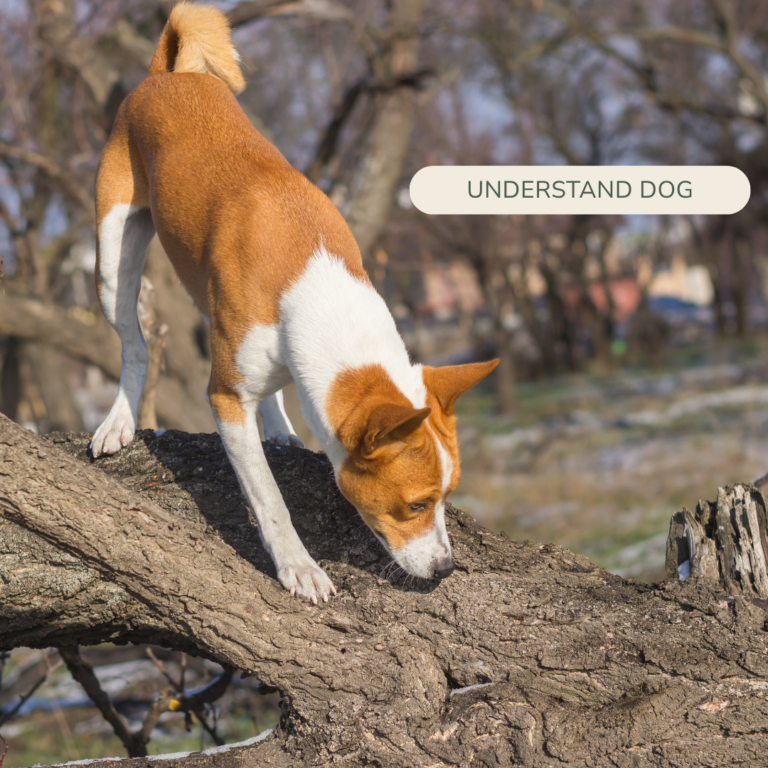
Your dog doesn't stop to sniff on walks to annoy you — they are reading the world in its primary language. Science reveals that a dog's nose is not just better than ours; it is a completely different organ, wired for stereo smell and cognitive mapping. Here's why letting your dog sniff is the single most important enrichment you can give them.

Your dog's yawn, look away, or lip lick is not a random quirk — it is a sophisticated signal designed to keep the peace, a calming signal. Scientists have now validated what experienced trainers have long observed: these small gestures actively de-escalate conflict and reveal what your dog is really feeling. Here is how to read them, why the "guilty look" is not guilt at all, and what your dog needs you to understand.
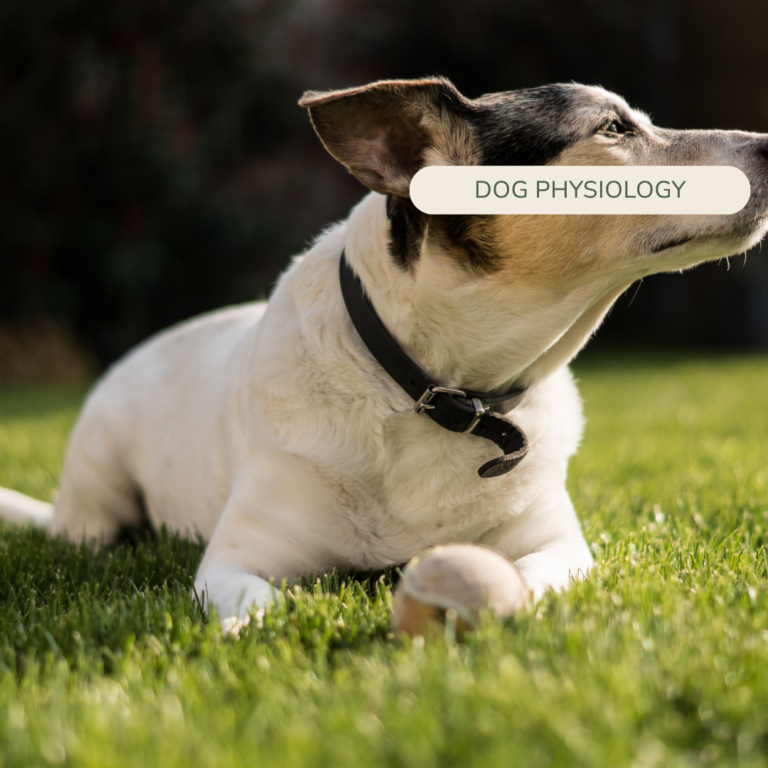
Taking our dog for a walk is a daily and necessary part of our dog's daily routine. Walks are good for both our and our dog’s mental and physical health and is a great way for us to bond with our dog. Unfortunately, in many places dogs are most often required to be on a leash while walking. This is to keep them safe from the surrounding environment. A leash is most often attached to the dog’s collar or harness when out on a walk. In this blog we look into the effects a collar can have on our dogs both physiologically and behaviourally.
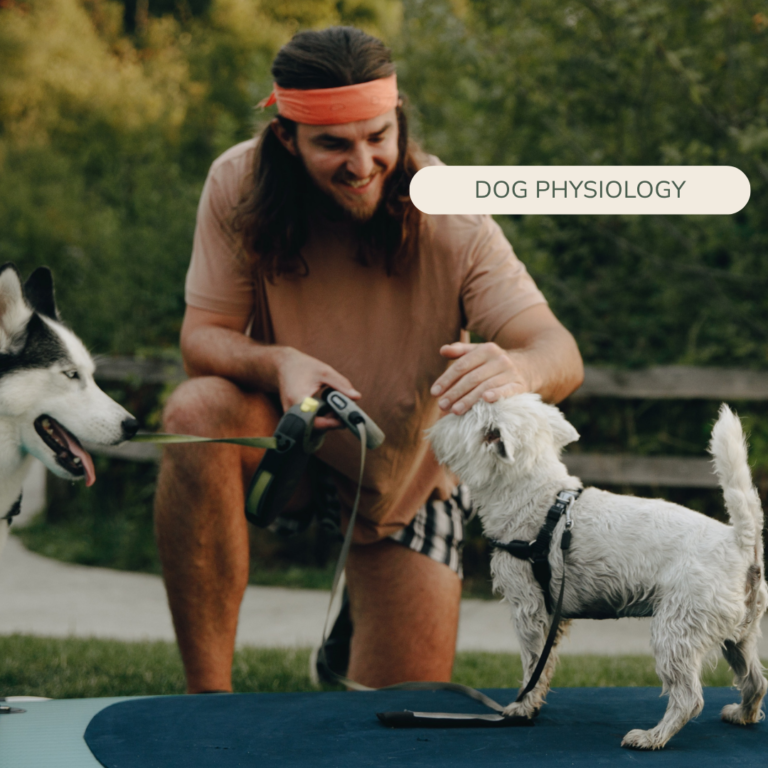
Have you ever gotten the advice to not greet your dog when you come home? To simply ignore it and then move on with your day? Or are you having a petting party with your dog every time you return home?
Here is what science has to say about greeting your dog when you come home.
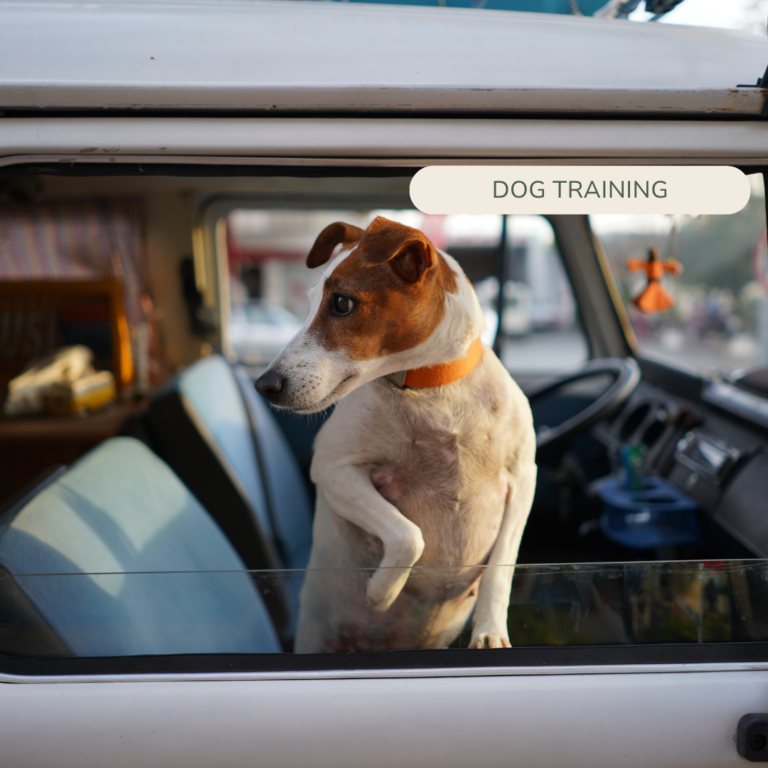
Does your dog dread car rides? The problem might not be fear — it might be nausea. Motion sickness is one of the most common and underrecognized causes of car anxiety in dogs, and treating it is the first step toward stress-free travel. Here is how to tell what is really bothering your dog, and the science-backed steps to help them feel safe on the road.
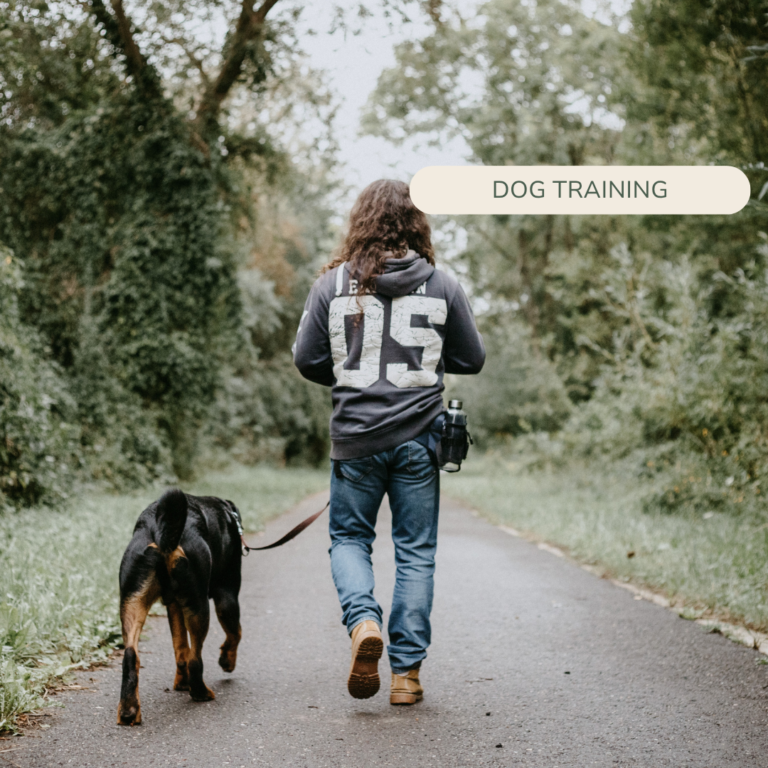
There are so many different advice and methods out there, making it hard for dog owners to chose which method to use to make their dog walk nicely on the walks. This ends with most trying out different methods and often ending up with an unsuccessful result. Along with frustration and giving up. In this blog we go through how to make the walk more enjoyable both for you and for your dog.