Stranger Danger

stranger danger

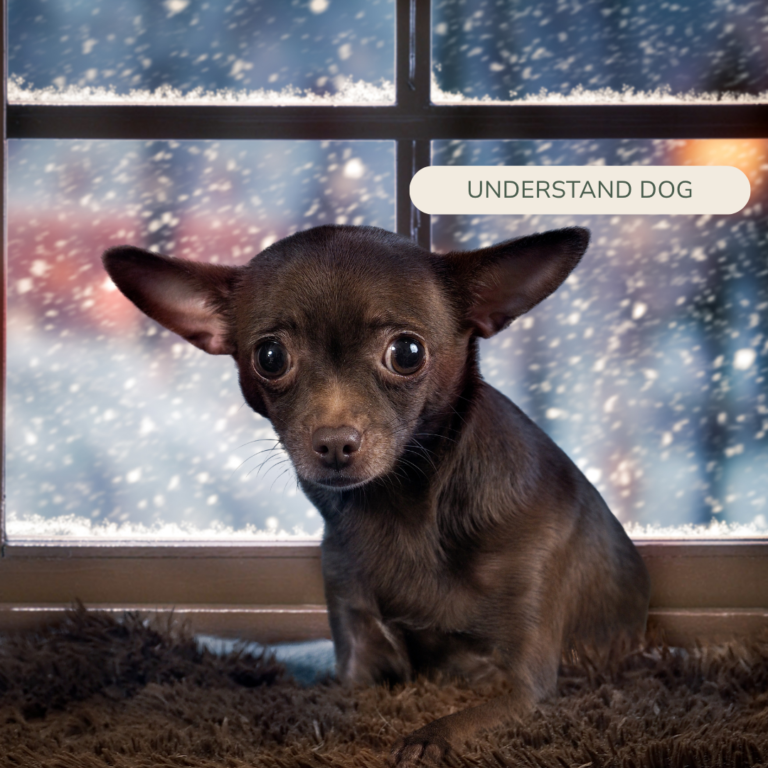
Your dog's barking and lunging at strangers is not bad behavior — it is functional communication asking for space. New research reveals that the fastest way to build trust between a dog and a stranger does not involve treats or touch at all. Here is what science says about why stranger encounters go wrong, and how simply walking together can change everything.

How Dogs Read Human Body Language

how dogs read human body language

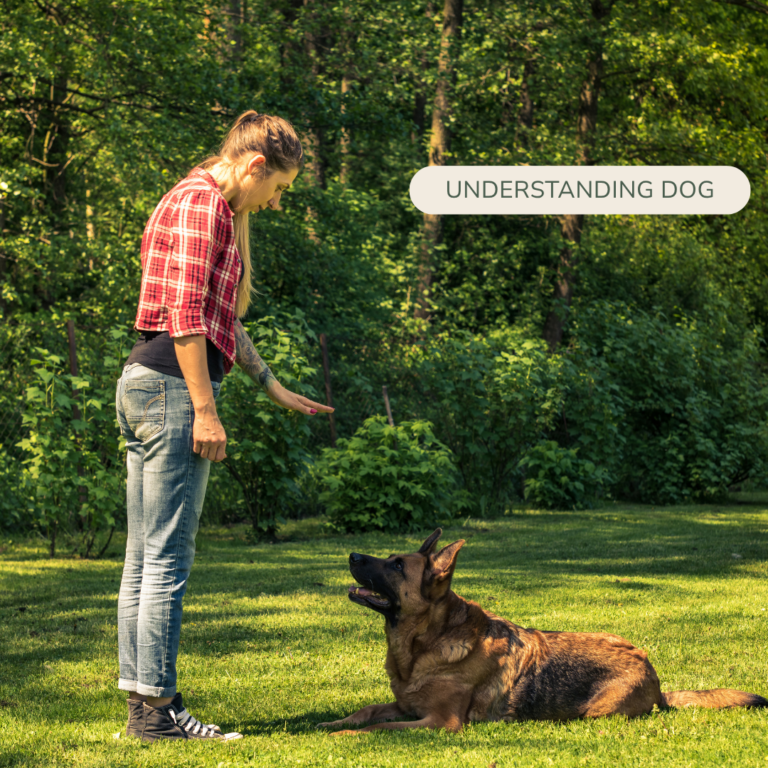
Point at a hidden treat and your dog looks where you point — a skill chimpanzees struggle to master. Science reveals that dogs are biologically wired to read human gestures, eye contact, and even our intentions from birth. Here is how your dog understands you better than any other animal on Earth, and what that means for your daily life together.

The Meaning Of A Bark

the meaning of a bark

Your dog's bark is not random noise — it is a finely tuned signal shaped by thousands of years of domestication to communicate with you. Ethologists have discovered that humans can decode a dog's emotional state from the acoustics of their bark alone. Here's what the science of barking reveals about what your dog is really trying to say.

Calming Signals In Dogs

Your dog's yawn, look away, or lip lick is not a random quirk — it is a sophisticated signal designed to keep the peace, a calming signal. Scientists have now validated what experienced trainers have long observed: these small gestures actively de-escalate conflict and reveal what your dog is really feeling. Here is how to read them, why the "guilty look" is not guilt at all, and what your dog needs you to understand.

The Meaning Of A Tailwag

Think a wagging tail always means a happy dog? Think again. New research reveals that the direction of your dog's tail wag — left or right — speaks volumes about their emotional state, from confident approach to cautious uncertainty. Discover what science says about this subtle but powerful form of canine communication.