A high, swishing tail means a happy dog, right? But is it really that simple? How do dogs use their tails to communicate with other dogs and with us humans — and what emotions lie behind those wags?
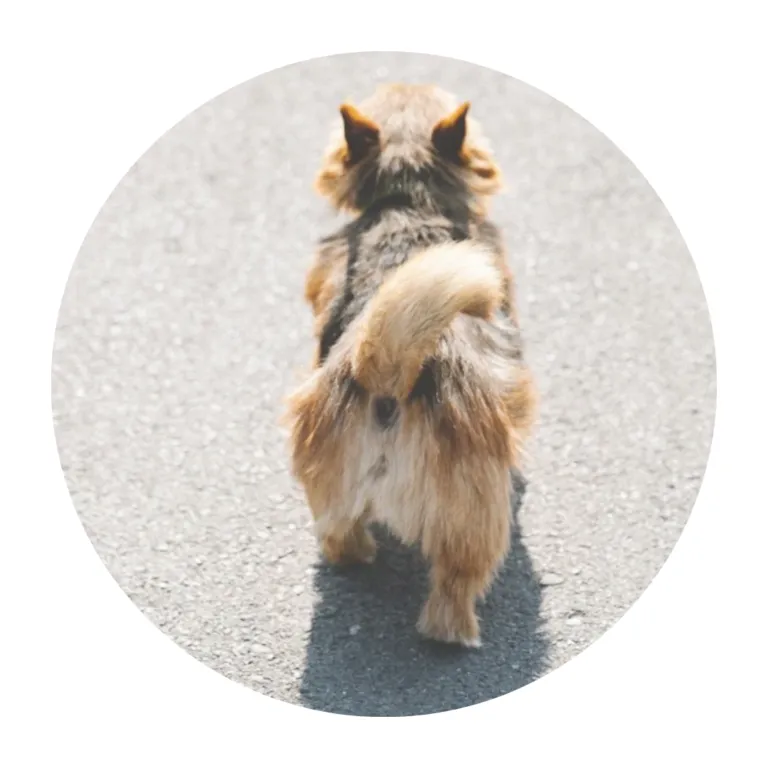
A dog’s tail is one of the features we humans rely on most when reading canine body language. It is highly visible, and it is commonly known that a lowered tail often signals discomfort, while a raised tail can indicate excitement or confidence. However, there is far more to a tail wag than first meets the eye. Science has found that the direction of the wag — whether it swings more to the left or to the right — can reveal a great deal about a dog’s inner emotional state.
If you have spent time around dogs, you have probably seen tails used in many ways: the broad, sweeping “helicopter” wag when you come home after a long day; the tucked tail that signals fear or insecurity; or the high, stiff tail that suggests alertness or arousal. While tail height gives useful clues, the direction of the wag adds another layer entirely.

The Science Behind Tail Wagging
It comes down to brain lateralization. Like humans, dogs have left and right hemispheres. Each hemisphere specializes in different functions: the left hemisphere is broadly associated with approach behaviours and positive engagement, while the right hemisphere is more active during withdrawal, vigilance, and uncertainty. Because nerves cross from the brain to the body, the left hemisphere influences the right side of the body — and vice versa.
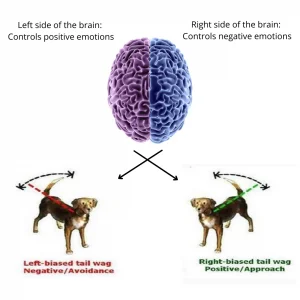
Researchers found that the symmetry of a dog’s tail wag shifts depending on what the dog is experiencing.