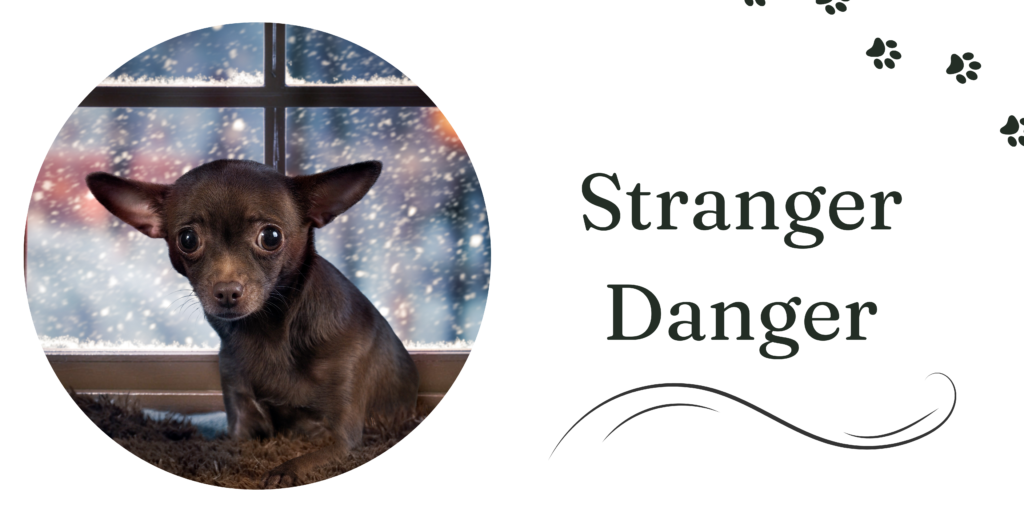
Some dogs love everyone. Others would rather not meet anyone new. Most fall somewhere in between — and how a stranger approaches makes all the difference.
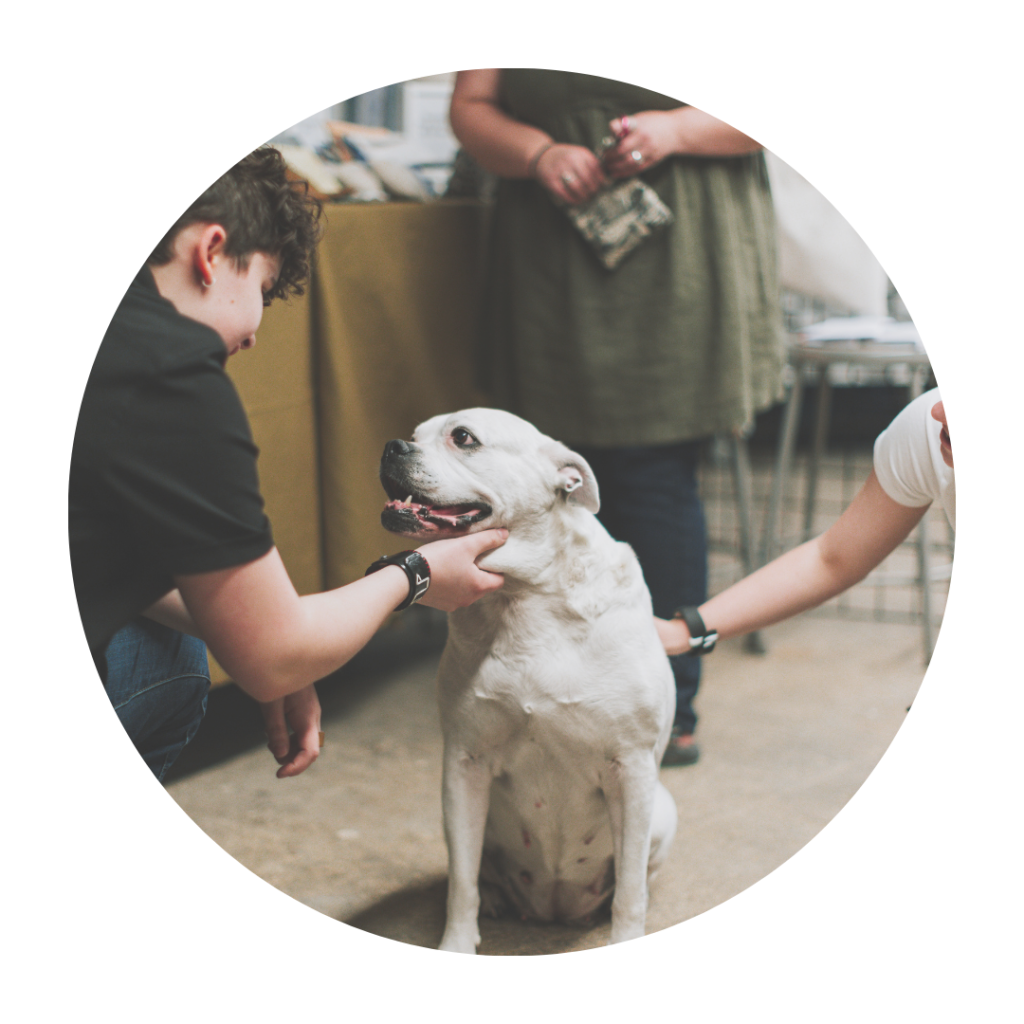
You know the type: the dog who throws themselves on their back, tail wagging, begging for belly rubs from anyone who walks by. Then there is the other type: the dog who arcs wide around strangers, freezes, or barks and lunges when someone gets too close. If your dog is the second type, you are not alone. Encounters with unfamiliar people are one of the most common sources of stress for pet dogs — and one of the most misunderstood.
Why Stranger Encounters Go Wrong
On average, a dog meets several unfamiliar people every day. For many, this is not a pleasant experience. The typical human approach — extending a hand for the dog to sniff, then reaching in to pet — is rooted in good intentions but often backfires. From an ethological perspective, this sequence violates several canine social rules at once: direct approach, reaching toward the body, and invasion of personal space without consent.
Research has consistently shown that dogs adjust their behavior to a stranger’s approach style. When a stranger exhibits threatening cues — slow gait, direct stare, looming posture — dogs respond with avoidance, look-aways, and vocalizations. When the stranger behaves in a friendly, non-threatening manner, dogs are more likely to remain neutral or seek contact.
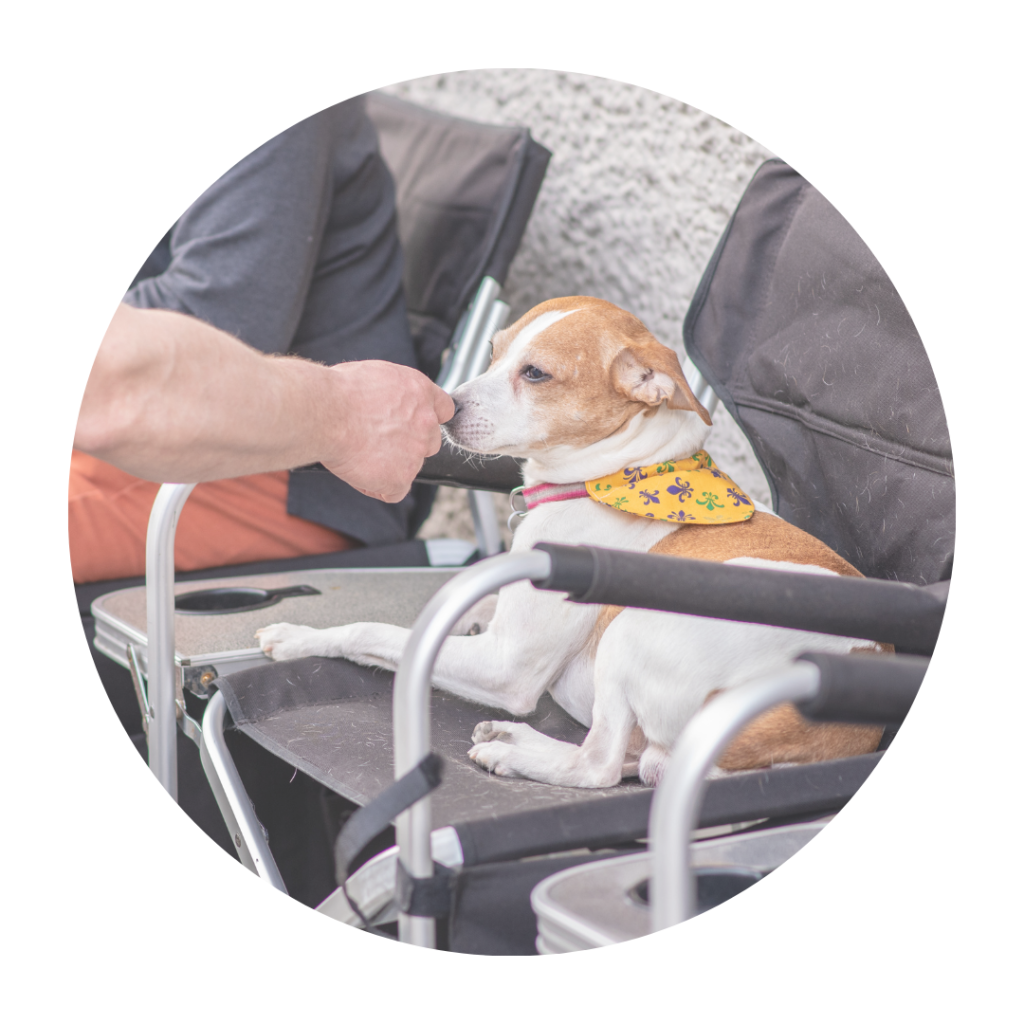
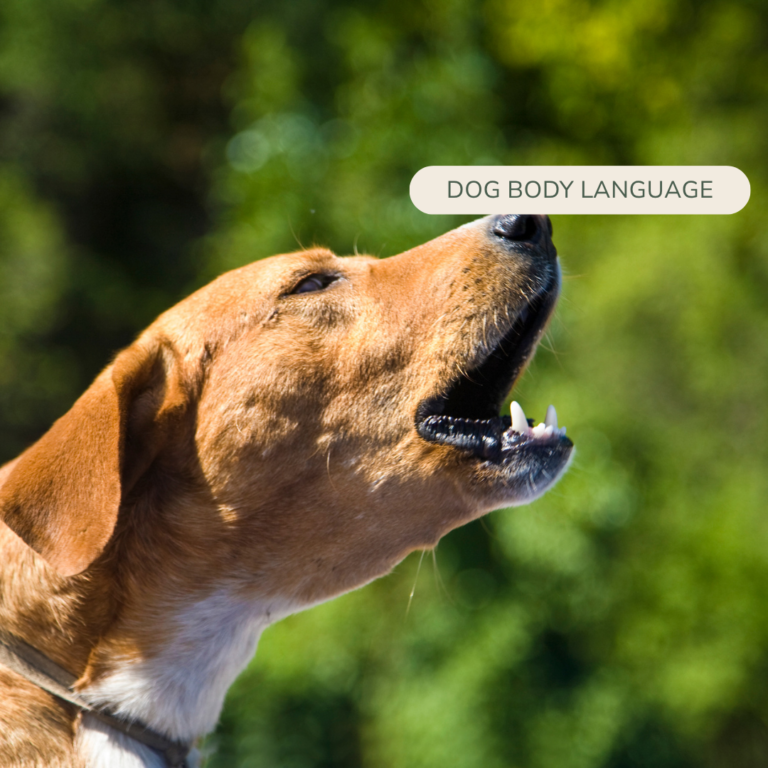
The problem is that what humans consider friendly — direct eye contact, a big smile, reaching out — often reads as threatening to a dog. When a dog learns that barking or lunging successfully creates distance from an approaching stranger, that behavior is reinforced. It is not aggression for its own sake. It is functional communication: “Please back off.”
The Science of Walking Together
A promising alternative to forced physical contact comes from recent research on behavioral synchronization — the spontaneous tendency to align movement, speed, and proximity with a social partner.
In 2019, researchers found that when given a choice between two unfamiliar people, dogs preferred the one who had previously synchronized their walking pace with the dog’s. The authors concluded that interspecific behavioral synchronization acts as a social glue.
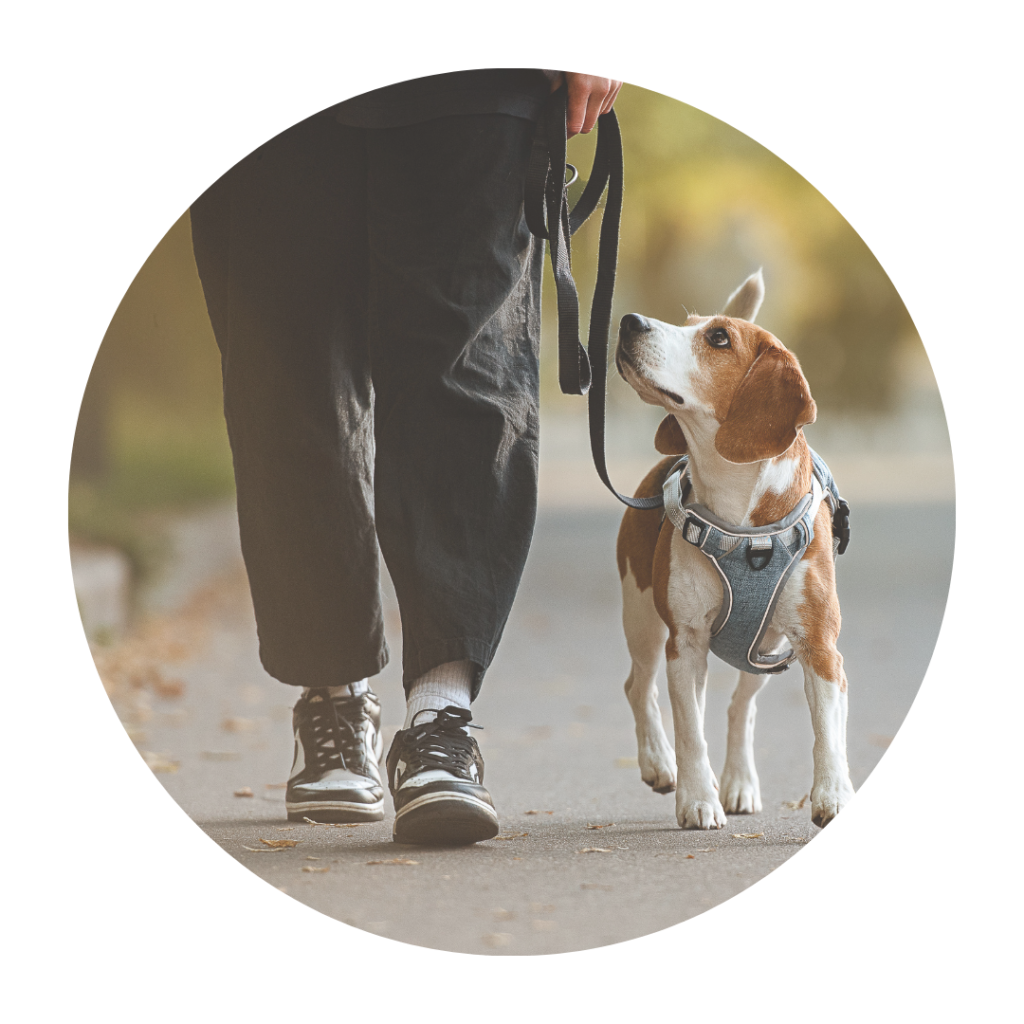
Building on this, a 2024 study tested whether an unfamiliar person could build rapport with a dog simply by walking alongside them. In the experiment, an unknown experimenter either synchronized her locomotion with each dog for 15 minutes — staying within about one meter and matching the dog’s speed — or deliberately desynchronized by keeping her distance and ignoring the dog’s pace. Afterwards, the dogs were tested on a straight-line walk. The results were clear: dogs who had been synchronized with stayed significantly closer to the experimenter and spent more time near her. They also took longer to return to their owner, suggesting the stranger had temporarily become a viable social partner.
Remarkably, this effect required no physical contact, no treats, and no verbal praise. Simply moving together was enough.
Dogs Are Watching You, Too
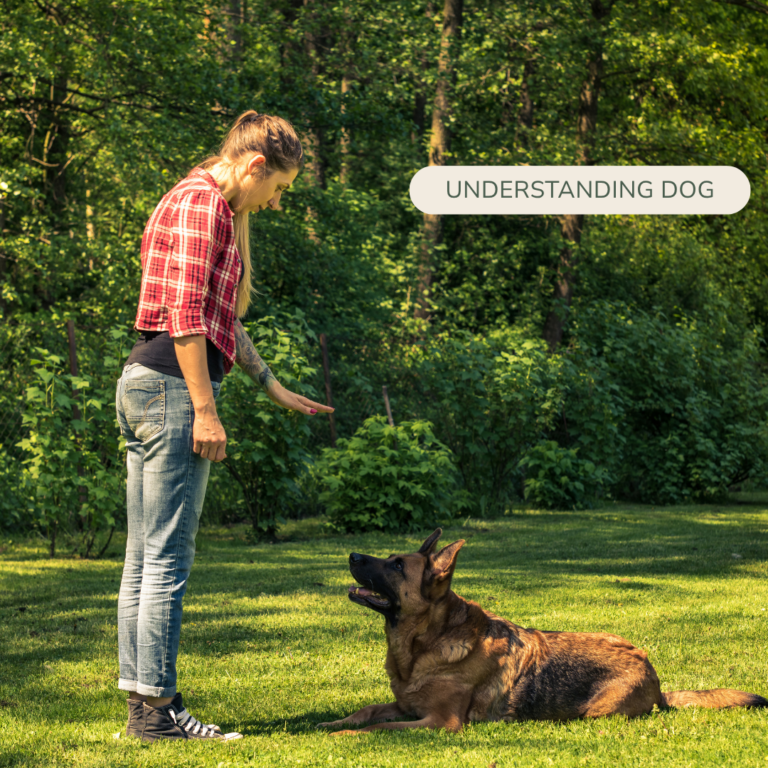
A companion 2024 study revealed another layer of complexity: dogs do not just respond to how a stranger treats them. They also watch how the stranger treats you. When an unfamiliar person synchronized their walk with the dog’s owner — talking and walking side by side — the dog subsequently showed stronger synchronization with that stranger during their own walk.
In other words, your dog is eavesdropping on your social interactions. If you appear relaxed and friendly with a stranger, your dog receives a powerful signal that this person is safe. If you tense up, shorten the leash, or act guarded, your dog reads that too.
What This Means for You and Your Dog
If your dog is fearful or reactive around strangers:
- Do not force greetings. Let your dog choose whether to approach. If they hang back, respect that.
- Use distance as your friend. Most reactive behavior is distance-increasing. Stay far enough away that your dog notices the stranger but does not feel compelled to bark or lunge.
- Create positive associations. When a stranger appears at a comfortable distance, feed treats. Over time, stranger = good things predicts the encounter.
- Try parallel walking. If you want to introduce your dog to a new person — a friend, a trainer, a veterinary staff member — have them walk alongside you at your dog’s pace without direct interaction. No reaching, no staring, just shared movement.
- Watch your own body language. Your dog is reading your tension. Breathe, loosen the leash, and model calm confidence.
If you are the stranger approaching a dog:
- Always ask the owner first.
- Do not reach out. Let the dog approach you if they choose to.
- Avoid direct eye contact and looming over the dog.
- Respect a clear “no.” If the dog turns away, freezes, or retreats, the interaction is over.
The Bottom Line
Dogs are not socially inept creatures who need to be forced into liking people. They are sensitive, observant animals who read human behavior with remarkable precision. The research is clear: trust is built not through touch, but through attunement — moving together, respecting boundaries, and letting the dog set the pace. Whether you are helping a fearful dog gain confidence or simply meeting a new dog on the street, the best approach is the one that puts the dog’s comfort first.
Sources with Links
Lamontagne, A. et al. (2024) — Walk with me? Part 1: Dogs synchronize with an unfamiliar person who first synchronized with them. Applied Animal Behaviour Science, 272, 106204.
https://doi.org/10.1016/j.applanim.2024.106204
Lamontagne, A. et al. (2024) — Walk with me? Part 2: Dogs synchronize with an unfamiliar person who first synchronized with their owner. Applied Animal Behaviour Science, 275, 106271.
https://doi.org/10.1016/j.applanim.2024.106271
Duranton, C. et al. (2019) — Pet dogs exhibit social preference for people who synchronize with them: what does it tell us about the evolution of behavioral synchronization? Animal Cognition, 22(2), 217–225.
https://doi.org/10.1007/s10071-018-1238-2
Barrera, G. et al. (2010) — The responsiveness of dogs to human social cues depends on the situation and the person. Behavioural Processes, 85(2), 140–145.
https://doi.org/10.1016/j.beproc.2010.07.005
Győri, B. et al. (2010) — Friend or foe: Context dependent sensitivity to human behaviour in dogs. Applied Animal Behaviour Science, 128(1–4), 69–77.
https://doi.org/10.1016/j.applanim.2010.10.005